TRAKCORP Asset & Fleet Tracking
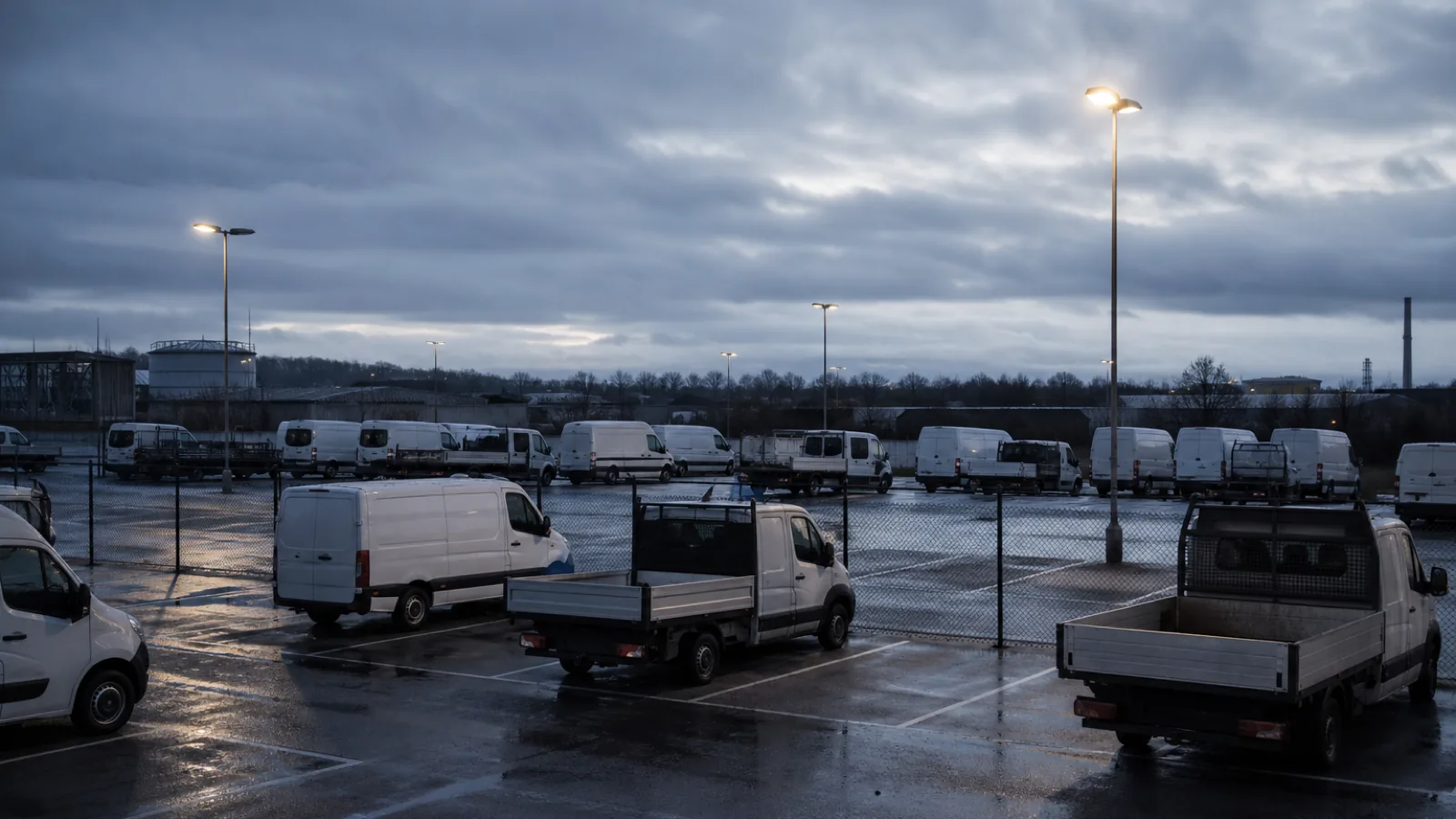
A commercial vehicle depot yard before sunrise, panel vans and flatbed trucks parked in bays on wet tarmac behind a chain link fence.
Asset & fleet tracking software

Know where your assets are, and what they did.

TRAKCORP runs asset and fleet tracking software for UK operators. Vehicles, trailers, plant and tools on one live map, with the movement history to back up every job.

  • Positions held in a United Kingdom region
  • Engineering answers inside three working days
  • Great Yarmouth, Norfolk

What the platform does

01

One live map

Every tracked vehicle, trailer and item of plant renders on a single map, whichever unit it is reporting through. No separate portal per hardware supplier.

02

Journey history

Positions are kept, not just displayed. A disputed delivery or a challenged site attendance gets answered from the record rather than from memory.

03

Geofence events

Draw a boundary around a depot, a site or a customer premises. Arrivals and departures are logged as events and can be pushed to your own systems.

04

An API, not a silo

Most operators already run a job management system. Positions, journeys and geofence events are exposed over a documented REST API so the data reaches it.

How it works

Three moving parts, and none of them are mysterious.

Tracking is not a difficult idea. It is a hardware decision, a data pipeline and a question somebody needs answering three weeks later. Here is how each one is handled.

01

Fit the hardware, or keep the hardware you have

The platform ingests positions from standard telematics units rather than from a proprietary box you can only buy from us. That covers OBD-II plug-in trackers for vans and cars, hardwired 12V and 24V units for trucks and plant, and battery powered asset tags for trailers, generators, tool chests and anything without a supply to draw from.

If a unit already sits in your vehicles and it speaks a protocol we support, it stays where it is.
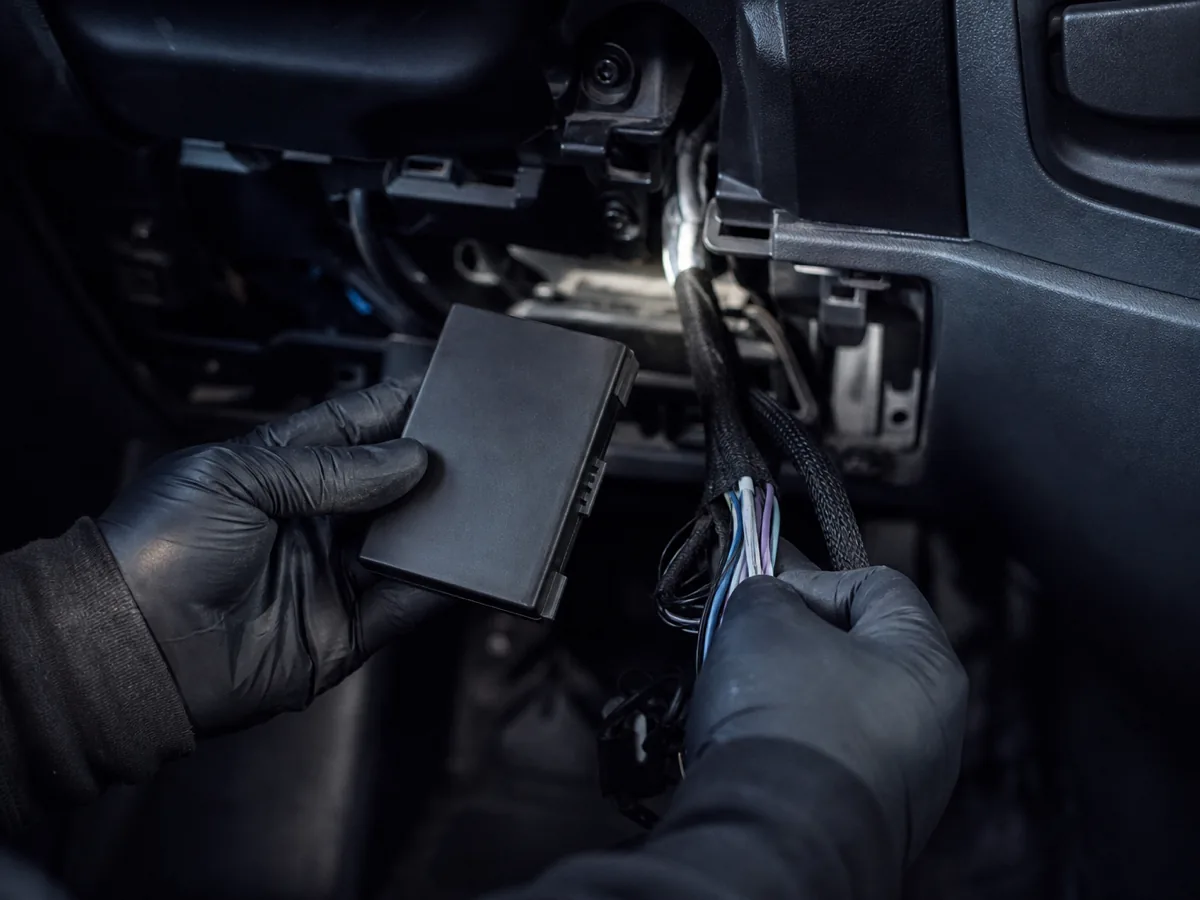
An engineer's gloved hands routing a small black telematics unit and its wiring loom into the under dash cavity of a commercial van.
02

Positions land, and they are kept

Units report on an interval. Each report becomes a stored record with a timestamp, a coordinate pair, speed, heading and the ignition state, and those records are stitched into journeys with a start, an end and a route between them.

Everything below is published so you can hold the platform to it.

Moving report interval
Configurable per profile. Default 60 seconds.
Stationary heartbeat
Configurable per profile. Default 1 hour.
Event triggers
Ignition on, ignition off, geofence entry, geofence exit, external power loss.
Stored per position
UTC timestamp, latitude, longitude, speed, heading, satellite count, HDOP, ignition state, external voltage.
03

The record answers the argument

A hire desk wants to know whether the roller went back on Tuesday. A client says nobody attended site. A subcontractor invoices for a run that did not happen. These are the moments a tracking system either earns its cost or does not.

Journey history, geofence arrival and departure logs and utilisation views exist for exactly that: to turn a disagreement into a lookup. Idle plant surfaces in the same view, which is usually cheaper than re-hiring a machine that is sitting in a yard forty miles away.

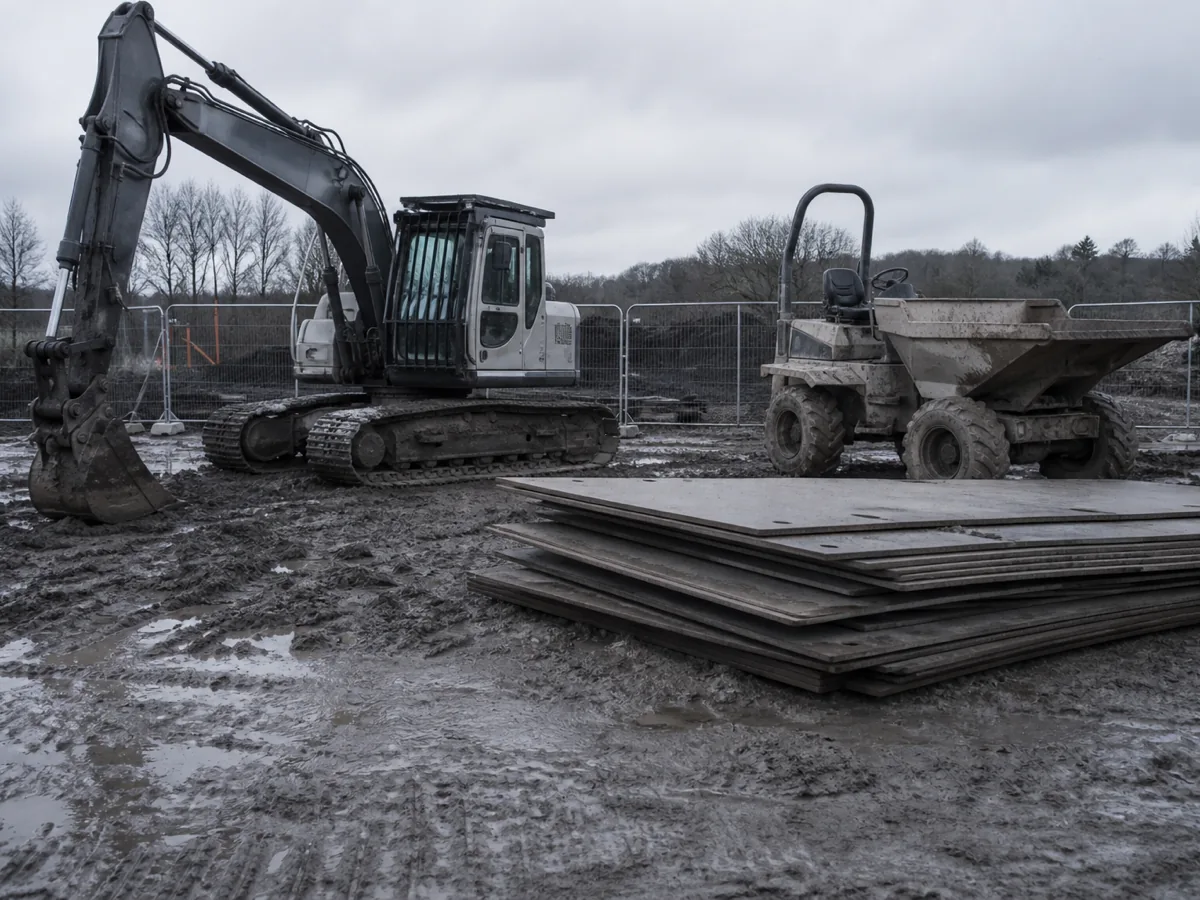
A muddy construction site compound with a tracked excavator, a small dumper and stacked steel road plates behind temporary fencing.
Platform detail

The specifics, published in full.

The table below is the whole specification: hardware, protocols, intervals, storage, retention and price basis. It sits on a public page so you can check the platform against it line by line before you talk to anyone here.

Hardware classes supported
OBD-II plug-in units. Hardwired 12V and 24V units. Battery powered BLE asset tags reported through a gateway unit.
Protocols ingested
Teltonika Codec 8 and Codec 8 Extended over TCP and UDP. Queclink @Track ASCII. JT/T 808. Tell engineering what your units speak and you get a straight yes or no on the protocol.
Position reporting interval
Set per asset, per profile. Default 60 seconds moving, 1 hour stationary. Faster intervals raise data volume and, on battery tags, shorten service life.
Positional accuracy
A property of the GNSS receiver and the sky above it, not of our software. We quote the manufacturer stated figure for the unit in front of you rather than a single flattering number for the whole platform.
Where data is stored
A United Kingdom region, with no routine transfer outside the UK for position data. Contracted hosting provider (processor); named on request.
Position history retention
Default 24 months, configurable down to 3 months per account. Retention is a customer setting because a plant hire business and a courier subcontractor do not have the same evidential need.
Driver privacy
Vehicle tracking records personal data about identifiable drivers, so it sits under the UK GDPR. The platform carries a private mode for out of hours use, and account level controls over who may open a historic journey. Our full position is set out in the privacy notice.
Access routes
A responsive web application, plus a documented REST API over HTTPS returning JSON, with token authentication and webhooks for geofence and ignition events.
Use from a phone
The web application is responsive and opens in a phone browser, so a depot is not obliged to push and update software across every handset it owns. Any TRAKCORP application asks only for the permissions set out in the privacy notice.
Pricing structure
Per tracked asset per month. No per user charge, because operations managers, hire desks and finance all need to look at the same map. Give engineering your asset count and we quote the figure in writing.
Who this is built for

Mid-sized UK operators running paper, spreadsheets and whatever came with the vans.

These are the operations the platform serves, and the question each of them brings to it.

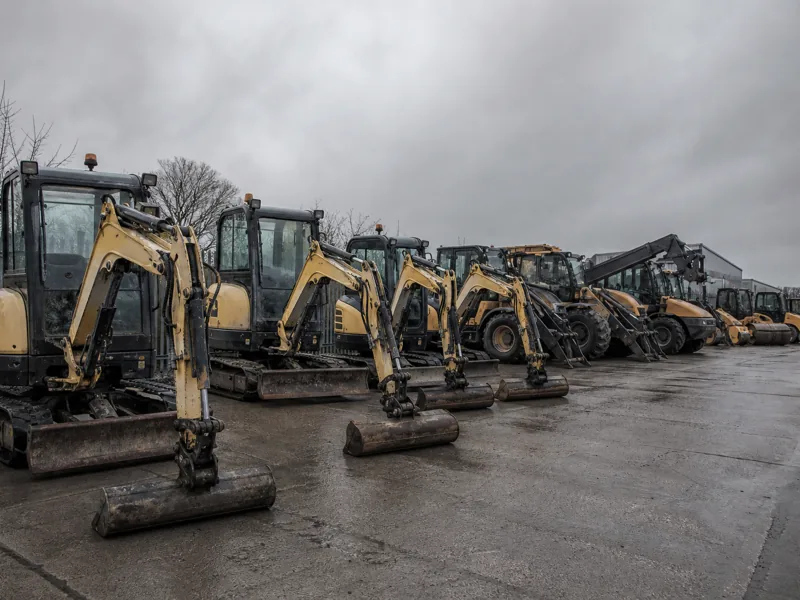
Mini excavators, telehandlers and compaction rollers lined up on hardstanding in a plant hire yard under a grey sky.
Construction and plant hire Where the machine is, whether it went back, and how many hours it actually ran.
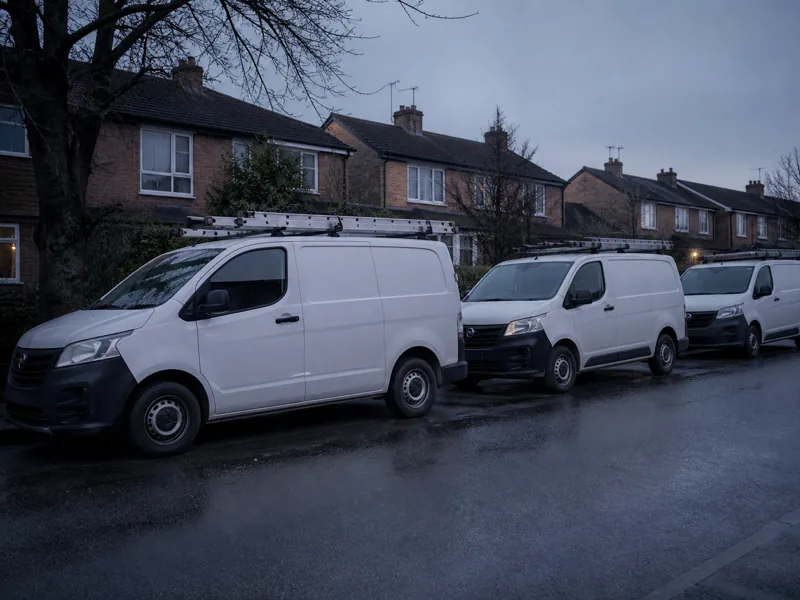
Three white service vans with roof ladder racks parked kerbside on a British suburban street at dusk.
Field service Arrival and departure times per appointment, taken from the geofence rather than from a text message.
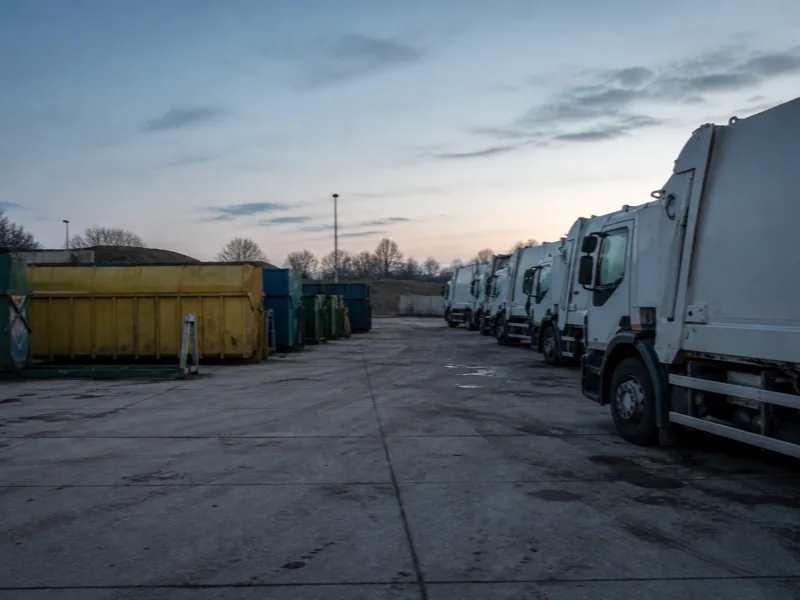
Refuse collection vehicles parked in a line beside roll on roll off skips at a municipal waste depot in early morning light.
Waste and recycling Round completion evidence, and containers that stop disappearing between sites.
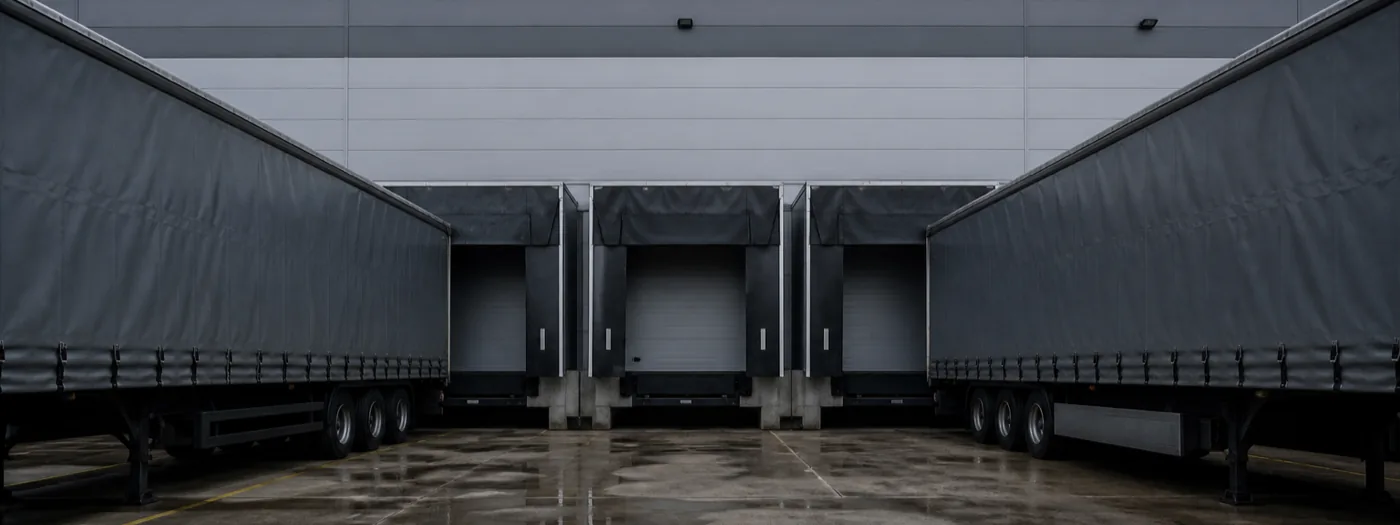
Curtain sided articulated trailers backed onto loading bay docks at a distribution warehouse on a wet concrete apron.
Logistics subcontractors Trailer location as a first class object, separate from the tractor unit pulling it, so a drop and swap does not lose the asset.
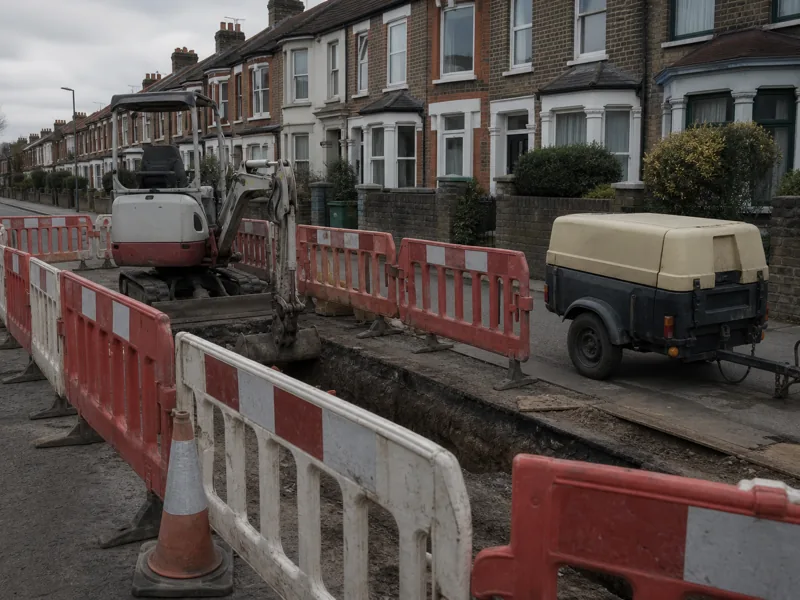
A small excavator beside an open trench on a British street, surrounded by red and white barriers, cones and a compressor trailer.
Utilities Crew and equipment position against a works programme, with a record that survives an audit.
What we publish

Checkable before you spend anything.

The hardware classes, the protocols, the reporting intervals, the fields stored against each position, the retention default, the hosting region and the pricing shape all sit on this page rather than behind a sales call.

That is deliberate. An operator picking a tracking supplier is picking where several years of evidence about its own work will live, and that decision should not rest on a demonstration nobody wrote down.

If a claim on this site cannot be verified against Companies House, against the platform itself, or against a document we have published, it is not on this site.

Put a unit on the platform and watch the asset appear.

Send your fleet size, your asset types and whatever trackers are already fitted. Engineering reads it, tells you straight whether those units are ones we take positions from, and answers inside three working days. No form, no call queue, no demonstration you have to sit through first.